
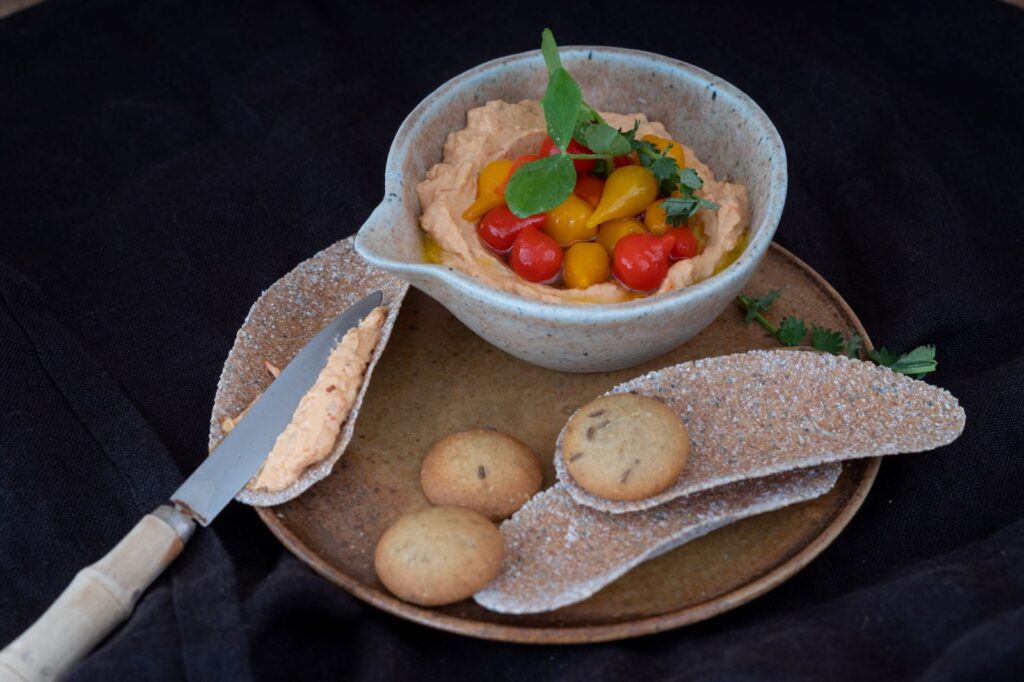
Long before SweetyDrops began delighting modern chefs and food lovers around the world, they had their roots deep in the traditions of tropical agriculture. The story of SweetyDrops is one of bridging heritage and innovation: honoring ancestral cultivation while adapting to global culinary demands. In this journey, one finds how a small teardrop pepper became a symbol of both tradition and forward thinking.
From Rainforest to Discovery
The original ancestors of SweetyDrops trace back to the lush rainforests of South America, where indigenous farmers cultivated small, tear-shaped chilies renowned for their vibrant color, subtle sweetness, and gentle heat. Over many generations, these peppers were selected and passed through local knowledge systems, producing varieties that balanced aromatic fragrance and edible crispness. In fact, sources often identify these fruits with descendants of Biquinho peppers, sometimes sold under the name “Sweety Drops” in certain markets.
The brand behind SweetyDrops credits its discovery in 2010, when the innovation team at Koch Tiefkühlkost encountered the pepper (also marketed as Pepper Drops) and saw potential in bringing it to a broader audience. The rediscovery marked a moment where centuries of tradition could be carried into new culinary contexts.
Cultivation Shift: Tradition in New Lands
While the pepper’s ethnobotanical heritage lies in the Amazon or Brazilian rainforest environs, modern production didn’t continue only in those ancestral lands. Koch and collaborators gradually developed cultivation in Egypt, working with regional farmers under sustainable practices. Egypt’s climate offers consistent sunlight, fertile soils, and stabilised growing conditions that support year-round harvests. This relocation is an example of how tradition meets innovation: by preserving the botanical lineage of SweetyDrops while integrating agricultural science, supply chain efficiency, and quality control.
The transformation from a wild or semi-domesticated pepper to a branded gourmet ingredient required trial, adaptation, and respect for traditional seed lines. By maintaining non-GMO status, avoiding artificial colorants, and applying a gentle marinade to preserve natural flavor, the producers maintain a connection to the pepper’s origin story.
Branding, Innovation & Culinary Reinvention
From the moment SweetyDrops entered the food industry, the brand strategy leaned into the contrast: a pepper with heritage reimagined for modern cuisine. The distinct teardrop shape, vivid red and yellow hues, and balanced sweetness with mild spice made SweetyDrops visually compelling and gastronomically flexible.
In contrast to traditional chilies known primarily for heat, SweetyDrops were positioned as “sweet mini peppers” suited for salads, appetizers, pizzas, Mediterranean dishes, and even cocktails, to name a few. That repositioning is itself a modern move: taking tradition and rebranding it for new use cases.
The narrative also leans into trust and transparency. By making supply chain decisions, such as cultivation in Egypt under monitored conditions, the brand can assure customers of consistent quality and traceability. Integrating storytelling about origin and process adds credibility. For readers curious about more, you can explore the official SweetyDrops site for detailed product and sourcing information.
Over time, SweetyDrops has become more than an exotic pepper: The legacy of rainforest farmers lives on through seed lineage and flavor profiles. Sweety Drops proves its innovative mission in its cultivation methods, global supply chains, and marketing as a gourmet ingredient rather than a rustic spice.