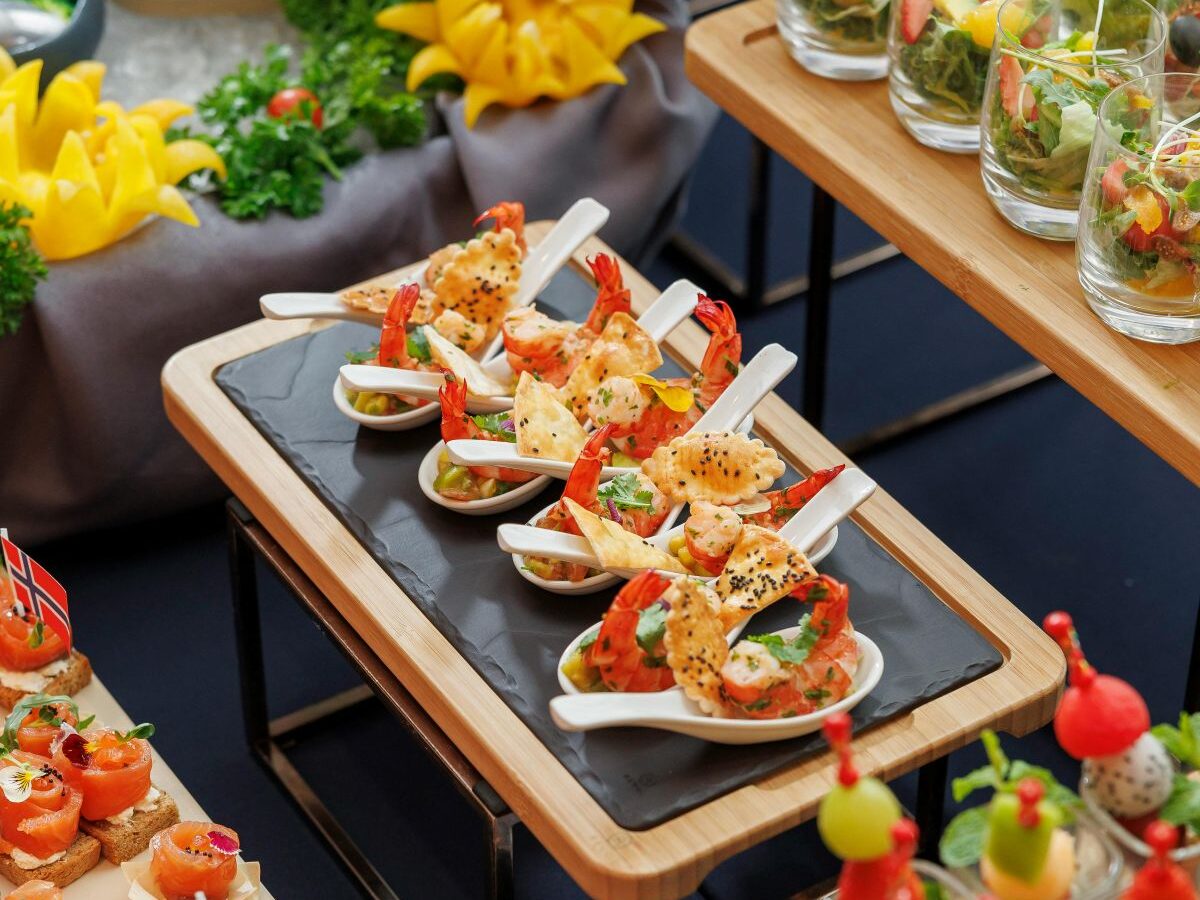
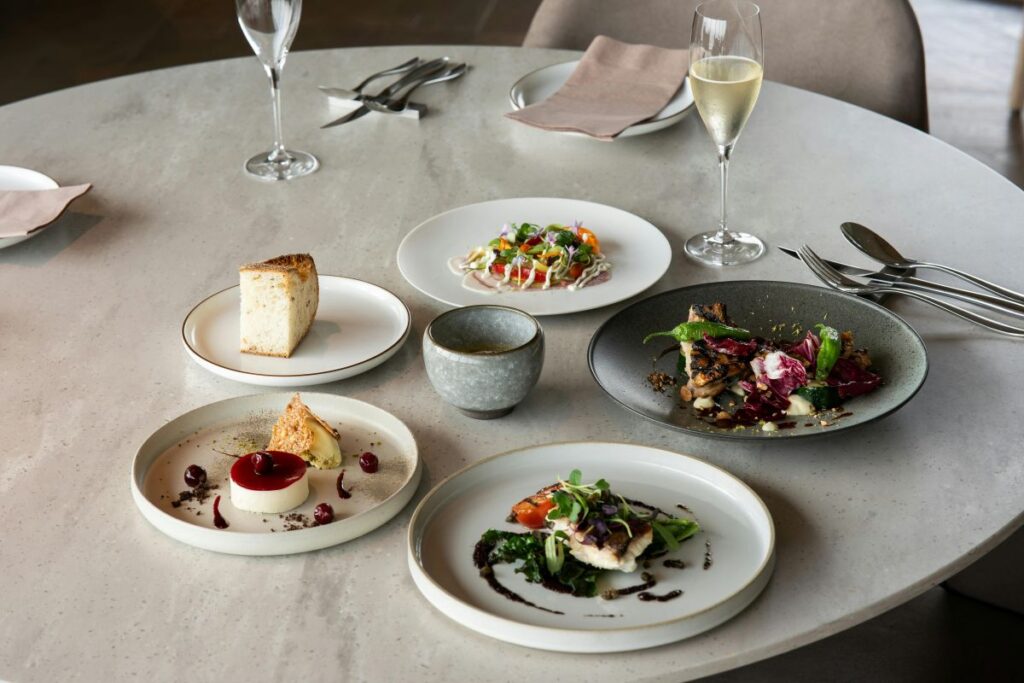
In today’s culinary landscape, taste alone is no longer the sole driver of dining experiences. Visual appeal has become a defining factor in how food is perceived, shared, and ultimately enjoyed. With the rise of social media, digital menus, and experience-driven dining, presentation now plays a crucial role in shaping customer expectations and influencing purchasing decisions. Restaurants, chefs, and food brands increasingly recognize that a dish must first capture the eye before it can fully satisfy the palate.
The Psychology Behind Food Presentation
Humans naturally eat with their eyes first. Color, contrast, composition, and plating all contribute to how appetizing a dish appears. Bright, vibrant ingredients tend to signal freshness and quality, while well-balanced arrangements suggest care and craftsmanship. In modern cuisine, visual harmony is not just aesthetic—it is functional. A visually appealing plate can enhance perceived flavor, elevate the dining experience, and even justify premium pricing.
This is particularly relevant in an era where diners frequently share their meals online. Platforms like Instagram and TikTok have transformed food into a visual medium, where dishes must perform both gastronomically and photographically. As a result, ingredients that naturally stand out visually have become highly valuable in professional kitchens.
Color as a Key Element in Culinary Design
Color is one of the most powerful tools in food presentation. Chefs often rely on contrasting and complementary tones to create visually dynamic plates. Vibrant reds, greens, and yellows can make a dish more inviting and memorable. Ingredients that maintain their color after preparation are especially prized, as they preserve visual integrity from kitchen to table.
A helpful overview of how visual elements influence food perception can be found through independant resources like eatright.org, which highlights the connection between appearance, appetite, and overall eating behavior. Such insights underline how presentation is not merely decorative but also tied to consumer psychology and satisfaction.
Sweet Mini Peppers as a Natural Visual Enhancer
Certain ingredients inherently support strong visual presentation without requiring extensive preparation. Sweet mini peppers are a prime example. Their bright, glossy colors and naturally appealing shapes allow them to function both as a core ingredient and a decorative element within a dish. Whether used raw in salads, roasted in warm dishes, or incorporated into appetizers, they contribute both vibrancy and texture.
Beyond their aesthetic qualities, they also offer versatility in plating. Their size and structure make them suitable for layering, stuffing, or arranging in ways that enhance visual composition. This makes them particularly valuable in modern cuisine, where efficiency and presentation must go hand in hand.
Aligning Aesthetics with Culinary Experience
Ultimately, visual appeal should complement, not overshadow, the overall culinary experience. A well-presented dish sets expectations, but it must still deliver on flavor and quality. When both elements align, the result is a memorable dining experience that resonates with customers long after the meal is finished.
For food professionals, understanding the importance of visual design is no longer optional. It is an integral part of menu development, branding, and customer engagement. Ingredients that naturally contribute to visual appeal, such as colorful vegetables and thoughtfully selected components, help bridge the gap between creativity and practicality.
Sweetydrops demonstrates how ingredients like sweet mini peppers can embody this balance, combining striking visuals with culinary versatility in a way that supports both chefs and modern dining trends.