In today’s digital-first world, the dining experience extends far beyond the restaurant table. Guests no longer simply enjoy a meal; they capture it, share it, and recommend it to their online communities. Platforms such as Instagram, TikTok, and Pinterest have transformed the way consumers discover restaurants, making visual presentation a critical factor in attracting new customers. For restaurateurs and chefs, understanding the connection between food aesthetics and social media engagement has become essential for staying competitive.
Why Visual Appeal Matters More Than Ever
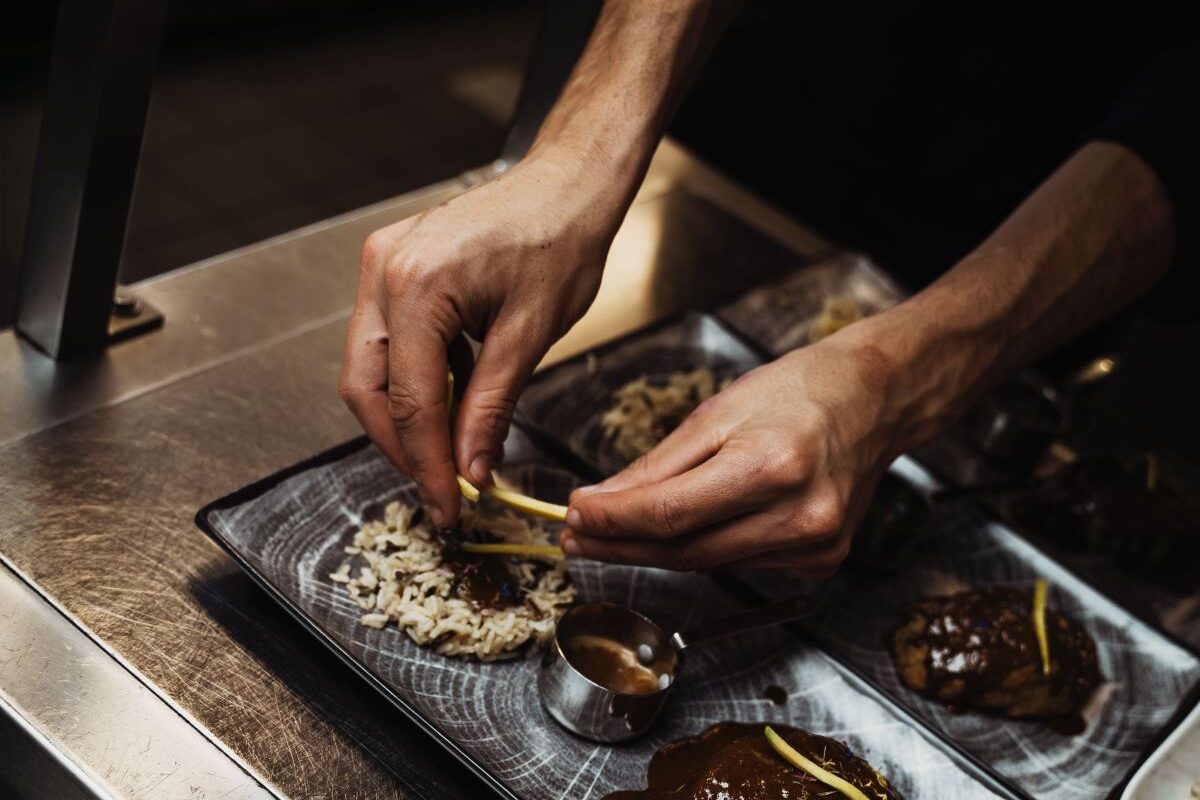
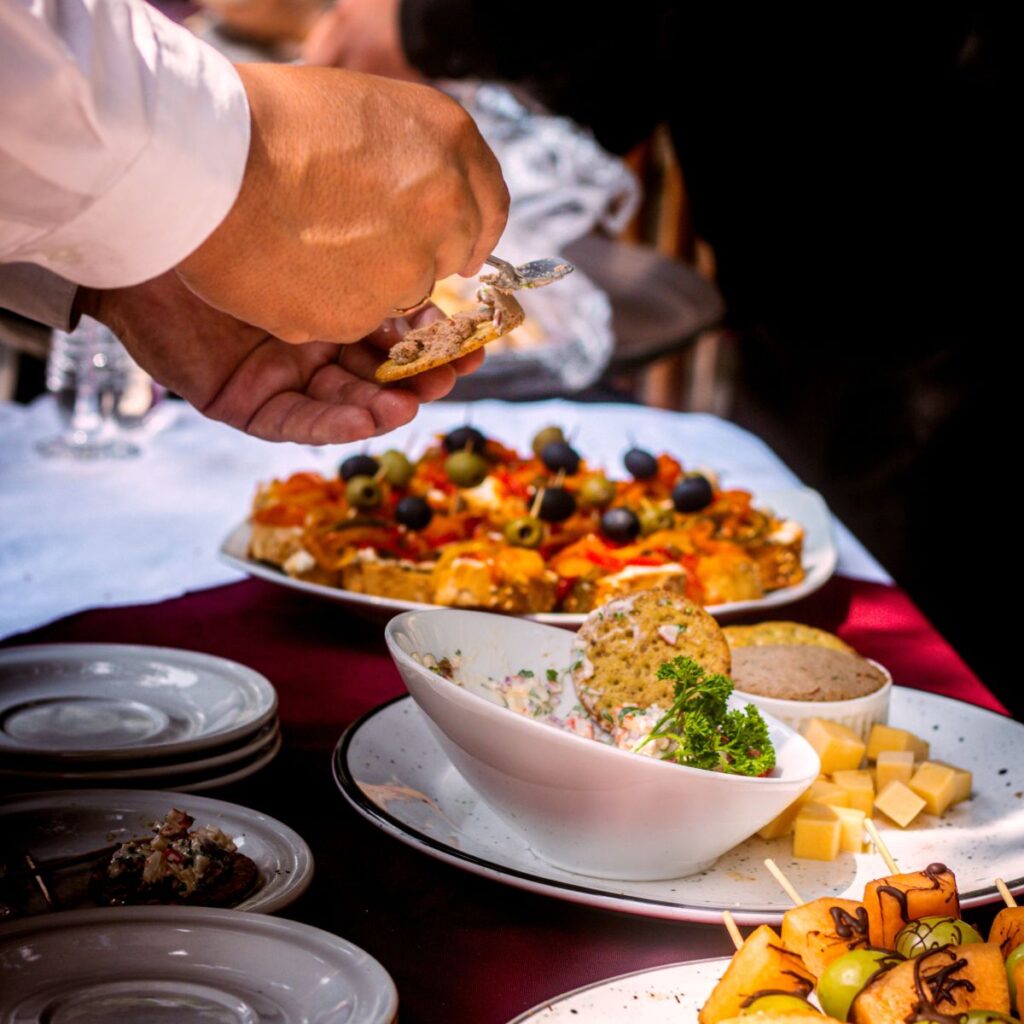
The saying “people eat with their eyes first” has never been more relevant. Before taking the first bite, many guests evaluate a dish based on its appearance. Vibrant colors, interesting textures, and creative plating techniques instantly create a memorable impression and encourage diners to reach for their phones.
Research continues to show that visually appealing food can increase perceived value and enhance the overall dining experience. A striking presentation often creates anticipation, making guests more likely to associate the meal with quality and craftsmanship. In an era where online reviews and user-generated content influence purchasing decisions, every plate becomes a potential marketing asset.
Social Media as a Restaurant Marketing Tool
Restaurants no longer rely solely on traditional advertising to build awareness. Instead, customers play an active role in promoting venues through photos and videos shared across social media platforms. A single compelling image can reach hundreds or even thousands of potential diners within minutes.
According to insights from the independent hospitality industry resource National Restaurant Association, consumer expectations continue to evolve as digital channels shape dining habits and restaurant discovery. This shift highlights the growing importance of creating dishes that naturally encourage sharing and online engagement.
When guests post attractive food content, restaurants benefit from authentic exposure that often feels more trustworthy than paid advertisements. The result is increased visibility, stronger brand recognition, and greater customer interest.
The Elements of a Share-Worthy Plate
Successful food presentation balances creativity with authenticity. Overly complex plating can appear artificial, while simple yet thoughtful designs often resonate more strongly with diners. Contrasting colors, fresh ingredients, and unexpected visual accents help create a distinctive look that stands out in crowded social media feeds.
Texture also plays an important role. Ingredients that add gloss, crunch, or unique shapes create depth and visual interest. Natural presentation styles that highlight ingredient quality tend to perform particularly well because they align with modern consumer preferences for authenticity and transparency.
Lighting and plate composition further influence how a dish appears on camera. Chefs increasingly consider how menu items will photograph, ensuring that each component contributes to an appealing final image.
Turning Presentation into a Competitive Advantage
As social media continues to influence dining decisions, restaurants that prioritize visual storytelling gain a significant advantage. Eye-catching dishes generate conversations, encourage repeat visits, and strengthen customer loyalty. More importantly, they create organic marketing opportunities that extend far beyond the restaurant’s physical location.
By combining flavor, texture, and visual appeal, chefs can transform ordinary meals into memorable experiences that guests actively want to share. Ingredients with distinctive colors, shapes, and versatile applications offer valuable opportunities to elevate presentation while maintaining culinary quality. One example of this are our Sweety Drops, which can add a vibrant visual accent and unique flavor contrast to a wide range of dishes.